
Google Updates Play Store Policies on Loyalty Programs

Google has revised and expanded its Play Store policy regarding gaming loyalty programs to provide developers with a clearer understanding of acceptable practices. This update follows a period of ambiguity that led to some objections, particularly in India, which represents the largest user base for the Android platform.
The company announced on Thursday that the updated guidance now specifically addresses gamified loyalty programs that are tied to legitimate monetary transactions within an application and offer rewards such as cash or comparable real-world benefits.
Numerous applications currently utilize gamified loyalty programs to attract and retain users. Last year, Google issued notifications to several Indian startups, including Paytm, Zomato, and Swiggy, indicating that their in-app gamification methods were considered similar to gambling. Google requested that these companies cease employing such techniques. The new policy applies to developers globally, according to the company.
Paytm, a highly valued Indian startup, previously asserted that Google was preventing it from engaging in practices that Google’s own application, Google Pay, was using to gain users within the country. Following a violation, Google temporarily removed the Paytm app from the Play Store.
This exchange between the two companies, along with subsequent changes to Play Store commission rates, spurred the formation of a coalition of Indian startups seeking government regulation of Google’s market power within the nation.
“Developers of applications in India are actively creating unique features and services tailored to the Indian market. A prime example is the incorporation of mini-games, quizzes, and other gamification elements to enhance user experience and foster customer loyalty. These features are frequently introduced during significant festivals and sporting events, and successful implementation within a specific timeframe is crucial,” explained Suzanne Frey, Vice President, Product, Android Security and Privacy, in a blog post.
While Google continues to prohibit real gambling applications in India, the company stated that developers worldwide will now benefit from increased clarity regarding the rules, enabling them to refine their strategies.
“This matter was among those discussed during conversations with numerous startup CEOs in India and internationally over the past few months. As part of our initial policy update for 2021, we are clarifying and simplifying the policies surrounding loyalty programs and features,” Frey wrote.
A Google spokesperson informed TechCrunch that the complete guidelines will be published later today.
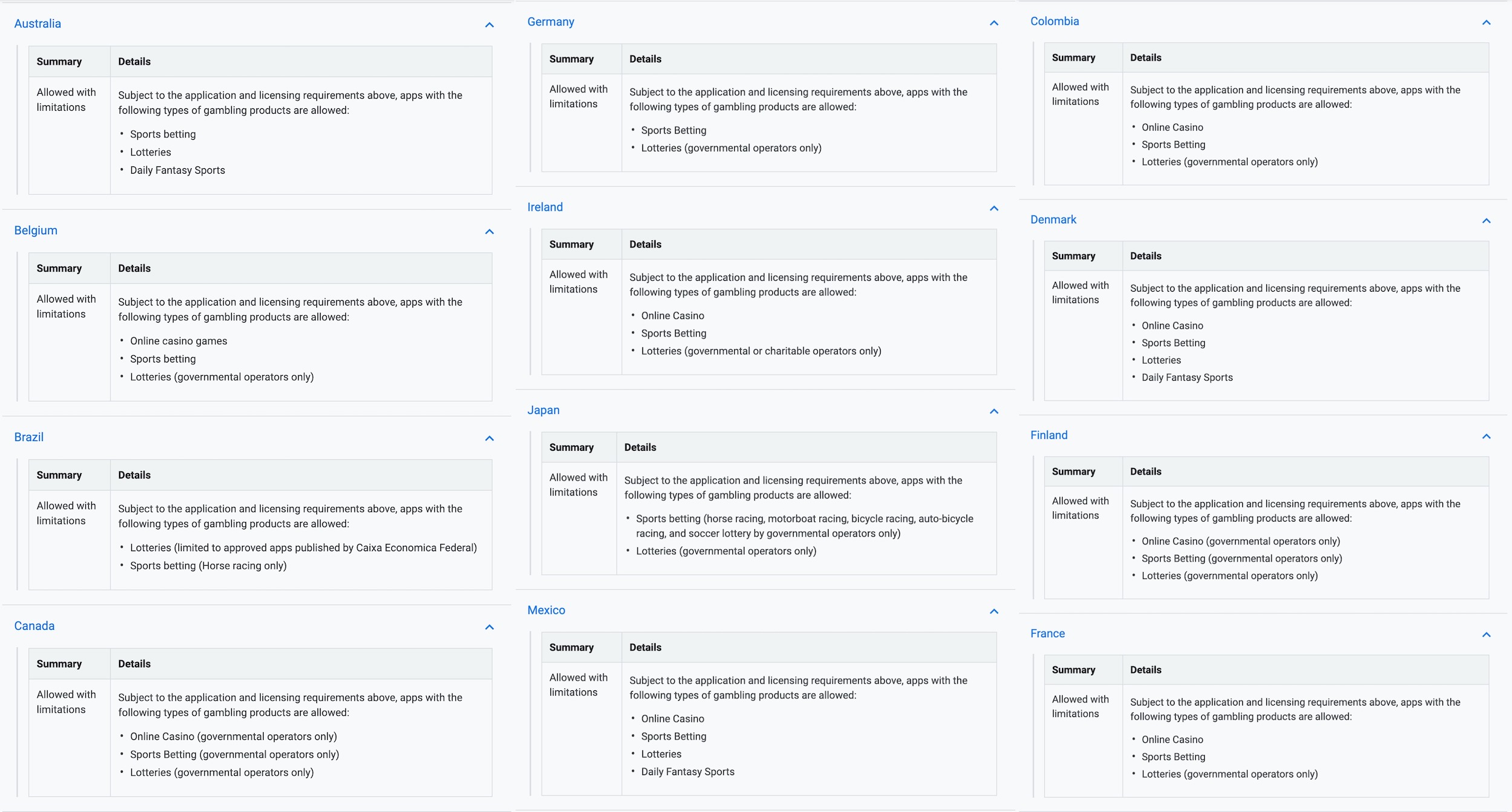
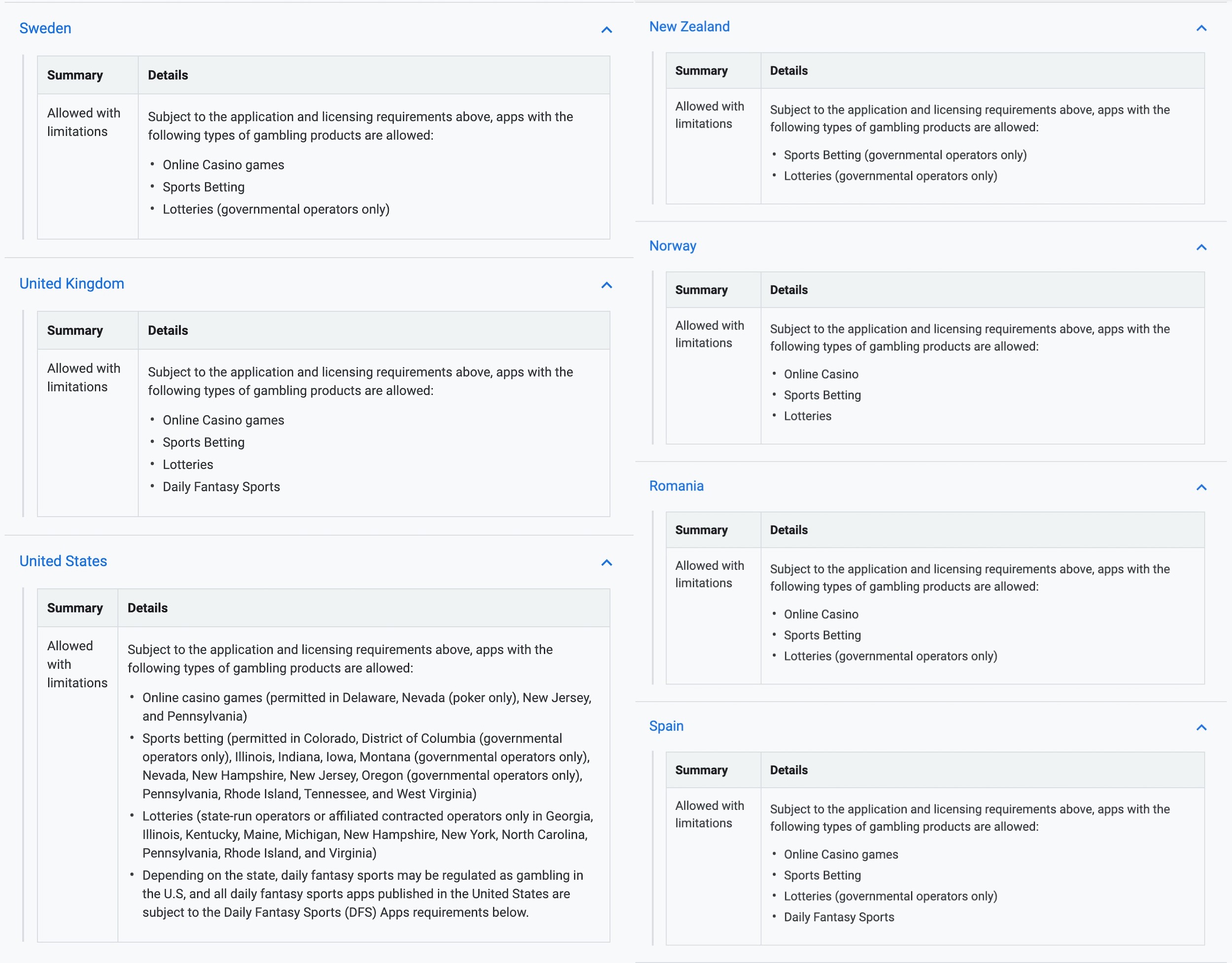
Update: The company has released the new guidelines. It is now permitting daily fantasy sports applications in the U.S. and several other countries (excluding India); however, these applications will be prohibited from utilizing Play Store billing. These changes will take effect on March 1.
As part of this update, the company is also introducing “How Google Play Works,” a resource providing helpful information and recommended practices for developers. “This resource also includes details specific to India regarding programs that local developers can utilize to achieve success and expand their reach. For users, the site aims to clarify key aspects of the Google Play platform and emphasize that user security and protection are central to everything we do,” Frey stated.
During a virtual event on Thursday, Sameer Samat, Vice President of Android and Google Play at Google, indicated that today’s update is the first of many planned for this year and that the company is dedicated to incorporating further feedback from the industry.
Further Details Regarding the Collaborative Google and Jio Platform Smartphone Project
During a comprehensive conversation at an event hosted by the TiE Delhi-NCR startup network, Samat also addressed Google’s initiatives to expand the availability of Android smartphones to a wider audience within India. Google previously revealed a $4.5 billion investment in Indian telecommunications provider Jio Platforms. As a component of this collaboration, the companies have stated their intention to jointly develop affordable Android mobile phones.
“Although India represents the world’s most rapidly expanding smartphone market, a shortage of devices within specific price brackets restricts many potential customers from making a purchase,” he explained. “We are continually refining Android for basic devices through the Android Go platform. The purpose of this initiative is to allow Android to function effectively on less powerful hardware, ideally reducing the overall cost. Currently, over 100 million Android Go smartphones are in use, but we recognize the need for further advancements.”
Samat indicated that the company is focused on incorporating the features commonly found in more expensive smartphones into the “entry-level” devices being developed in partnership with Jio Platforms. “Lower price points should not equate to diminished product quality.” He indicated that these phones will likely include a customized user interface specifically designed for individuals new to smartphone technology.
Related Posts

Peripheral Labs: Self-Driving Car Sensors Enhance Sports Fan Experience

YouTube Disputes Billboard Music Charts Data Usage

Oscars to Stream Exclusively on YouTube Starting in 2029

Warner Bros. Discovery Rejects Paramount Bid, Calls Offer 'Illusory'

WikiFlix: Netflix as it Might Have Been in 1923
