
Alibaba Enters China's EV Market | Electric Vehicle News

Recent reports highlight the increasing collaboration between China’s leading technology companies and established automotive manufacturers. From Alibaba to Huawei, numerous firms are working to establish a significant presence within the trillion-dollar automotive sector, particularly as it undergoes a shift towards electric vehicles and enhanced intelligence driven by the advancements of 5G technology.
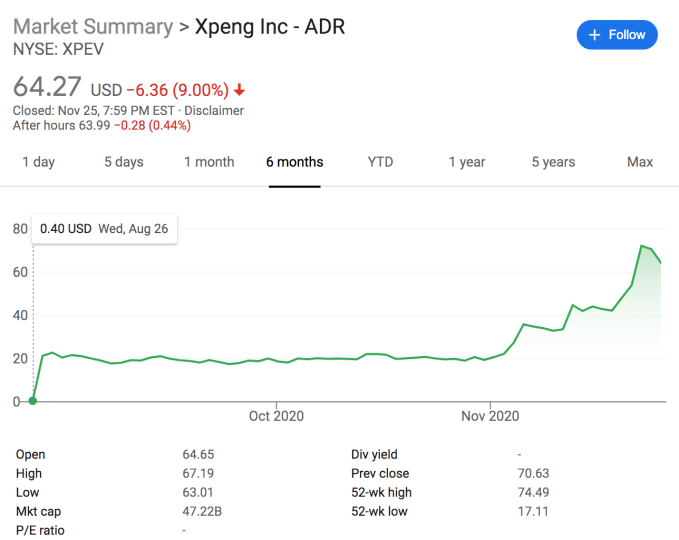
This week, state-owned SAIC Motor, a prominent Chinese automaker, introduced a new electric vehicle division named Zhiji. Alibaba and a Shanghai government-supported organization hold minority stakes in this new venture. This development occurs alongside the substantial stock market gains experienced by Chinese EV startups such as Xpeng and Nio, as well as the ongoing success of Tesla.
The relationship between Alibaba and SAIC began in 2015 with a joint investment of $160 million in connected car technology. This partnership led to the creation of the Banma (or “Zebra”) joint venture, through which Alibaba has developed a range of automotive solutions for the platform, including features like voice-activated navigation and voice-controlled coffee ordering integrated with the Alipay digital wallet.
Alibaba’s collaboration extends beyond SAIC, as the company has also worked with major automakers such as BMW and Audi over the years.
For SAIC’s new EV brand, Alibaba will continue to function as its provider of “technology solutions,” according to an Alibaba spokesperson.
Huawei is another technology leader making substantial progress in the automotive industry. This week, the telecommunications equipment and smartphone manufacturer announced the integration of its smart car unit into its consumer business group, which previously centered on mobile devices. This expanded group will continue to be led by Richard Yu, who is credited with Huawei’s growth in the mobile sector.
Huawei states that its automotive ambitions are centered on developing information and communication technologies to support automakers in vehicle production, rather than directly manufacturing cars, addressing speculation about potential competition with traditional car manufacturers.
Huawei’s mobile phone business has faced challenges due to U.S. sanctions impacting its supply chain. The company recently sold its budget phone brand, Honor, with the intention of allowing the spun-off entity to operate independently and avoid trade restrictions.
Related Posts

Rivian Launches Universal Hands-Free Driving Feature

Rad Power Bikes Files for Bankruptcy, Seeking Sale

Tesla Deceptive Marketing: Autopilot and Full Self-Driving Ruling

Luminar's Volvo Deal and Bankruptcy: A Timeline

Slate EV Truck Reservations Top 150,000 Amidst Declining Interest
